
Master Simple Cooking Today
Learn to prepare delicious, nutritious meals at home with our comprehensive guides and practical recipes. Whether you're a complete beginner or looking to expand your culinary skills, we provide step-by-step instructions that anyone can follow.
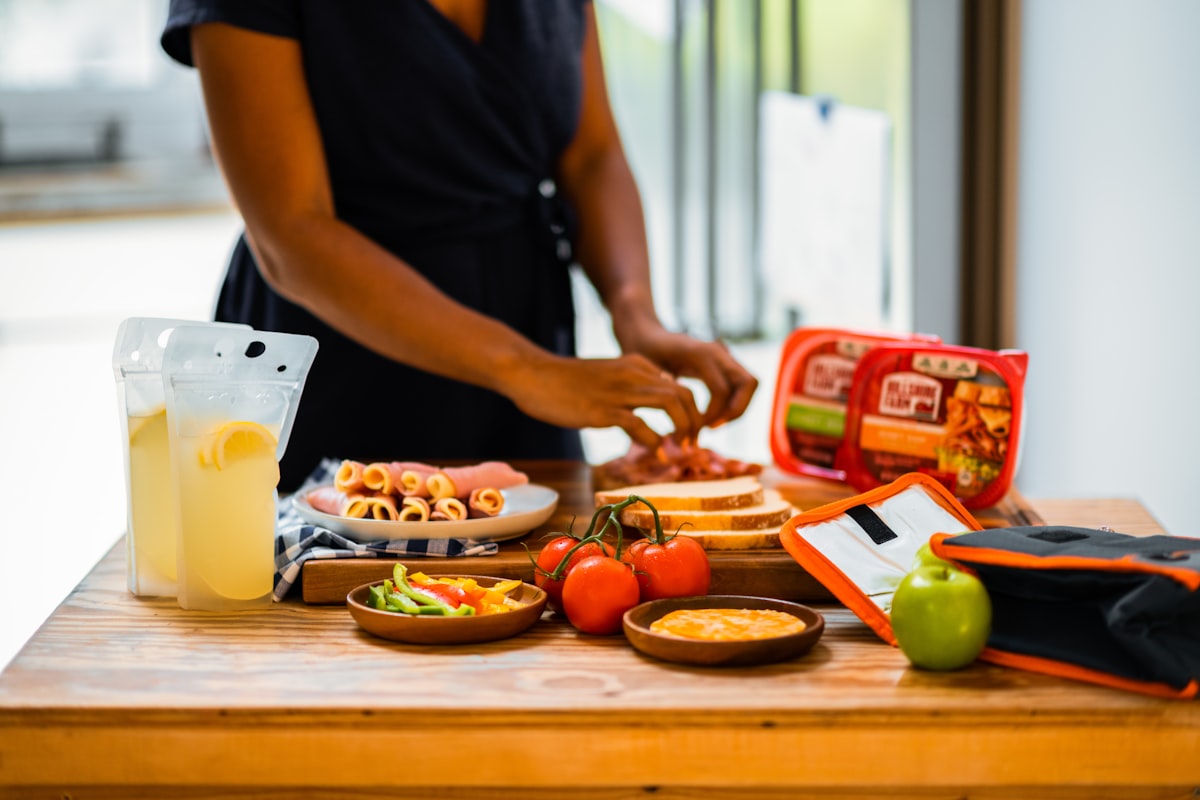
Featured Recipes Showcase
Discover our most popular recipes that home cooks love. Each recipe includes detailed instructions, ingredient lists, and helpful cooking tips for success.

Quick Vegetable Stir-Fry
A vibrant, colorful dish that comes together in just 15 minutes. Perfect for busy weeknights, this recipe combines fresh vegetables with simple seasonings for a nutritious meal your family will enjoy.
Learn more →
Creamy Pasta Carbonara
Learn the authentic Italian technique for making creamy pasta without heavy cream. This classic recipe teaches proper egg tempering and cheese selection for restaurant-quality results at home.
Learn more →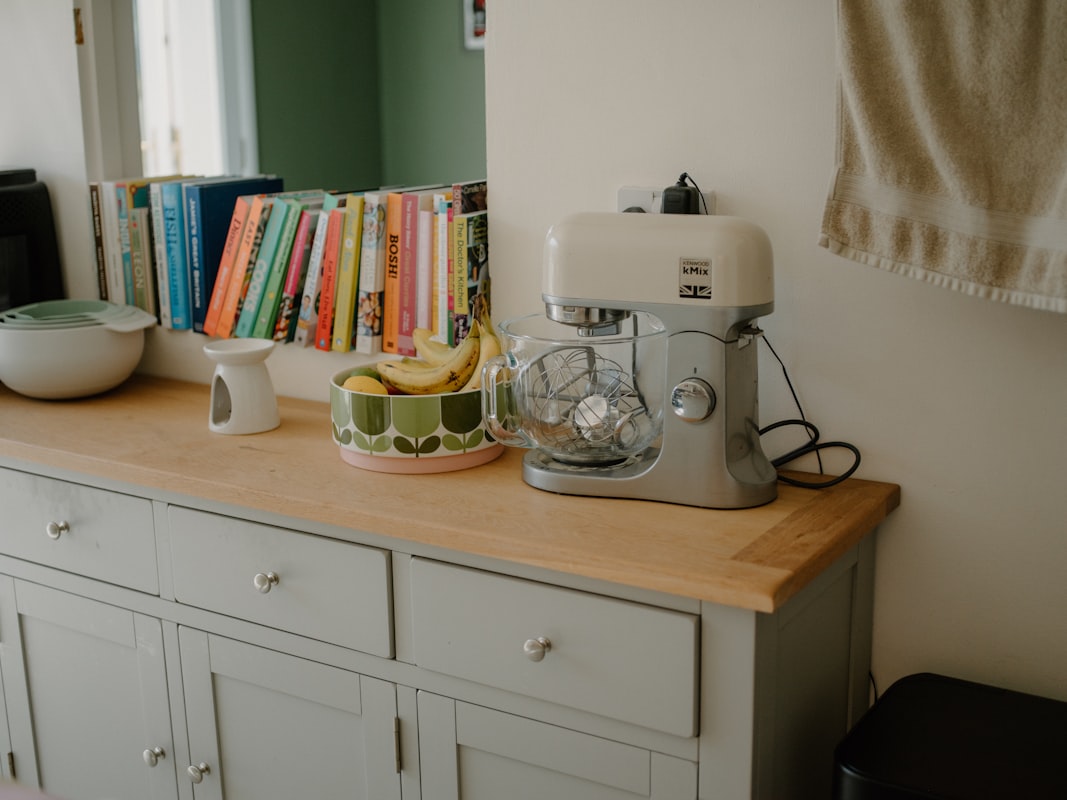
Homemade Vegetable Soup
Master the fundamentals of soup-making with this versatile recipe. Learn how to build flavor layers, select produce wisely, and create a comforting meal that's both economical and satisfying.
Learn more →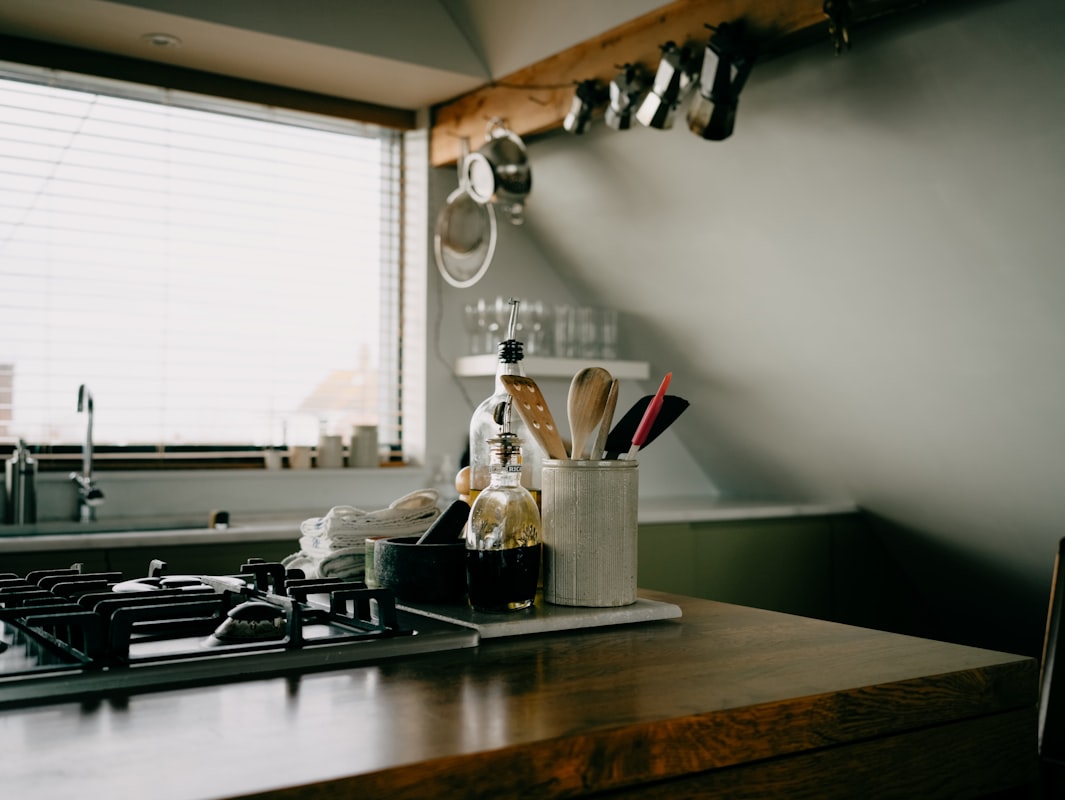
Why Cook Simple at Home?
Cooking at home gives you complete control over ingredients, portion sizes, and flavor profiles. Beyond nutrition, home cooking is a rewarding skill that builds confidence and saves money over time.
Know Your Ingredients
Choose quality produce and understand exactly what goes into every dish your family eats.
Save Money
Home-cooked meals cost significantly less than restaurant dining or processed convenience foods.
Build Skills
Every recipe you complete improves your technique, confidence, and understanding of flavor combinations.
Quality Time
Involve family members in meal preparation to create shared memories and teach valuable life skills.
Three Steps to Delicious Meals
Simple cooking follows a proven process. Follow these essential steps to transform basic ingredients into satisfying dishes.
Plan & Prepare
Read through the entire recipe before starting. Gather all ingredients and equipment. This mise en place approach prevents mistakes and ensures smooth cooking from start to finish.
Cook with Attention
Follow the recipe steps carefully, but don't be afraid to use your senses. Watch for visual cues, listen for sounds, and taste as you go to adjust seasonings appropriately.
Present & Enjoy
Simple plating techniques elevate your meal presentation. Serve while hot, eat mindfully, and reflect on what you learned to improve your next cooking experience.
Quick Recipes for Beginners
Start your cooking journey with these accessible recipes. Each one teaches fundamental techniques you'll use repeatedly in your kitchen.
Fluffy Scrambled Eggs
Master the foundational technique of scrambling eggs perfectly. Learn temperature control, timing, and the secret ingredient that makes them irresistibly creamy and light.
Read recipe →Fresh Garden Salad
Learn to compose balanced salads with proper technique. Understand greens, dressings, and ingredient combinations that create satisfying salads beyond basic lettuce and tomato.
Read recipe →Simple Grilled Chicken
Perfect chicken every time with this straightforward method. Learn proper seasoning, heat management, and how to check for doneness without cutting constantly.
Read recipe →Homemade Bread
Bake fresh bread at home with minimal ingredients. Understand fermentation, kneading, and oven technique to achieve that perfect crust and tender crumb.
Read recipe →Sautéed Vegetables
Master the sauté technique that forms the foundation of countless dishes. Learn heat control, timing, and how to develop delicious caramelization on vegetables.
Read recipe →Perfect Rice
Achieve fluffy, separate rice grains consistently. Learn the water-to-rice ratio, timing, and resting techniques that eliminate mushy or undercooked rice forever.Read recipe →
What Our Readers Say
Home cooks from across Indonesia share how our recipes and tips have transformed their kitchen skills and family meals.
"I've never considered myself a cook, but these step-by-step guides made everything clear. I started with the scrambled eggs recipe and now I'm confident making full meals for my family. The tips about temperature control changed everything for me."
Siti Rahmi
Jakarta, Indonesia
"What I love most is how detailed the instructions are without being overwhelming. Each recipe explains the 'why' behind each step, so I understand what's happening in my kitchen. I've saved so much money since I started cooking at home regularly."
Budi Santoso
Surabaya, Indonesia
"I started cooking with my kids using these recipes. Not only do they learn valuable skills, but we've created special memories together in the kitchen. The fresh bread recipe is now a weekly family tradition that everyone loves."
Dewi Lestari
Bandung, Indonesia
Common Cooking Questions Answered
Find answers to questions that beginners frequently ask about cooking techniques and ingredient selection.
Both techniques use high heat and fat, but the key differences lie in temperature and movement. Sautéing uses medium-high heat and involves less frequent stirring, allowing ingredients to develop color and flavor through contact with the pan. Stir-frying uses very high heat and requires constant movement to cook quickly and evenly. Choose sautéing for developing deep flavors and stir-frying for maintaining texture in vegetables.
The most reliable method is using a meat thermometer. Chicken should reach 165°F (74°C) at the thickest part, ground meat 160°F (71°C), and beef steaks can be medium-rare at 135°F (57°C). If you don't have a thermometer, look for clear juices when you pierce the meat and ensure no pink remains in chicken. Practice develops your instinct, but a thermometer removes all guesswork.
Overcooked vegetables lose their structure and flavor. The solution is proper timing—cut vegetables into uniform sizes so they cook evenly, start cooking over high heat, and remove them from heat while they still have slight resistance when you bite them. They'll continue cooking slightly from residual heat. Different vegetables require different cooking times, so add longer-cooking items first.
Season in layers throughout cooking rather than just at the end. Start with a pinch of salt as you begin cooking to help vegetables release their moisture and develop flavor. Taste frequently and adjust before serving. Remember that salt doesn't just make food salty—it enhances existing flavors. Add acid like lemon juice or vinegar at the end to brighten flavors and balance richness.
Start with a sharp knife and proper grip—curl your fingertips inward on the hand holding the ingredient and use your knuckles as a guide for the blade. Keep your wrist straight and let the knife do the work rather than forcing it. Practice on softer items first like garlic and onions before moving to harder vegetables. A sharp knife is actually safer than a dull one because it requires less force and is less likely to slip.
Join Our Weekly Recipe Newsletter
Receive new recipes, cooking tips, and ingredient guides delivered to your inbox every week. Build your culinary confidence with practical, tested recipes from our editorial team.
We respect your privacy. Unsubscribe anytime.